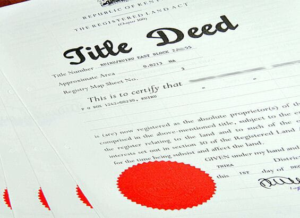
Buying land in Kenya is one of the most significant investments an individual or business can make. Whether you are purchasing property for residential, commercial, agricultural, or investment purposes, conducting proper due diligence and following the correct legal procedures is essential to avoid fraud and costly disputes. While Article 40 of the Constitution of Kenya guarantees the right to own property, every land transaction must comply with Kenya’s land laws and registration requirements.
Before diving into the purchase process, it’s essential to grasp the two primary forms of land tenure in Kenya:
Freehold Ownership
This is the highest form of land ownership, where the holder has absolute rights over the property indefinitely. Besides paying municipal rates, no additional land taxes are levied. The rates depend on the unimproved site value of the land as assessed by the relevant authorities.
Leasehold Ownership
In this type of tenure, the owner leases the land for a specified period, typically 99 years, after which the lease must be renewed. Leaseholders are required to pay annual ground rent to the government or private lessor and obtain consent before making any significant changes to the property. The amount payable depends on the land’s location and size.
Due Diligence
Identify the Land: Begin by selecting the property that aligns with your needs, whether residential, commercial, or mixed-use. This step is crucial, as zoning regulations in Kenya dictate the allowable use for different parcels of land.
Searches: Searches are indispensable to verify ownership and ensure the land is free from encumbrances. Key searches include:
Land Registry Search: Obtain a copy of the title deed and the seller’s identification documents. Visit the relevant Land Registry office and complete a search application form. This will confirm the true owner, size, and any legal restrictions or claims on the property.
County Government Search for Rates/Rent: Verify whether all land rates and rent (for leasehold property) have been paid. Any outstanding amounts must be cleared by the seller before the transfer.
Registered Use Search: Confirm the land’s designated use, as stipulated by county zoning regulations. This is critical for avoiding legal conflicts if the intended use does not align with the designated purpose (e.g., using agricultural land for residential purposes).
Identity Verification at the Registry of Persons: Confirm the authenticity of the seller’s identity to avoid falling victim to fraudsters who might be impersonating the actual owner.
Utility Company Search: Check for any pending bills with utility providers (e.g., electricity and water). Unsettled utility charges can be inherited by the new owner if not identified early.
Obtain the Land Maps: Obtain maps indicating the exact measurements and the surrounding plots. This will facilitate verification of boundaries during the site visit.
Physical Land Verification: A joint visit to the site with the seller and a surveyor is necessary to confirm the land’s physical location, boundaries, and any potential disputes. Ensure that beacons are marked and agree on the land’s exact dimensions.
Vendor’s Consents and Approvals: For leasehold land, the seller must obtain all necessary consents before transferring ownership. Depending on the circumstances, these consents may include approvals from the National Land Commission, county government, or the lessor.
The Sale Agreement: Engage a lawyer to draft a comprehensive sale agreement that outlines the terms and conditions of the transaction, including the purchase price, payment terms, and any special conditions. This agreement legally binds both parties, providing a reference point in case of disputes.
Land Valuation: The buyer must apply for a land valuation to determine the applicable stamp duty. The stamp duty is typically 4% of the sale value for urban land and 2% for rural land. Specify in the sale agreement who will bear this cost to avoid confusion later.
Transfer of Land: Upon paying the stamp duty, both parties must sign the transfer forms. The buyer then lodges the documents at the Land Registry for processing. This stage usually takes about three weeks.
New Title DeedAfter the transfer is completed, a new title deed is issued in the buyer’s name. It is advisable to conduct a final search at the Land Registry to confirm that the property has been legally transferred.
Navigating the legal process of buying land in Kenya requires careful planning and the guidance of a qualified professional. Failure to conduct thorough due diligence can result in significant financial loss and protracted legal battles. Always engage an advocate to oversee the process, review all documents, and advise on potential risks.
If you need any assistance or advice relating to the sale, purchase and or lease of land in Kenya or any other related matters, please feel free to reach out to Peter at peter@pmlaw.co.ke or Jusphine at Jusphine@pmlaw.co.ke.
Looking for more legal updates? Visit our Legal Insights page for articles on AML compliance, corporate governance, employment law, immigration, dispute resolution, and other developments affecting businesses in Kenya.
E
Editorial Desk
The Editorial Desk at Peter Maina & Co Advocates produces expert legal insights, market updates, and regulatory analysis drawn from across our specialized practice areas.
In short, a commercial lease in Kenya ends in one of two worlds. If the tenancy is controlled under the Landlord and Tenant (Shops, Hotels and Catering Establishments) Act, Cap 301, which it is whenever the lease is unwritten, is written for five years or less, or is written for longer but lets the landlord […]
In short, Kenya has no off-plan statute and no escrow law, which means the developer who sells units before they exist is regulated by a patchwork, the Sectional Properties Act, 2020 on what must be handed to a buyer, the county, NEMA and the National Construction Authority on what must be approved before a spade […]
In short, an apartment in Kenya is held in one of three ways, and the difference decides what you own, whether a bank will lend on it and whether you will be able to sell it. A sectional title is a registered title to the unit itself and is what you should insist on. A […]
Subscribe to our Newsletter
Our newsletter brings you the latest updates, tips, and guidance on all matters law. Join our mailing list!
Peter Maina & Company Advocates
14th Floor Hazina Towers Utalii Street P. O. Box 14448 – 00100, Nairobi, Kenya