
Legal Insights & Law Blog
Expert legal analysis and updates in Kenyan corporate, real estate, and employment law.

In short, you are able to buy land or an apartment in Kenya from wherever you live, without a single flight home, provided the purchase is run by a Kenyan advocate under a registered power of attorney and every shilling passes through the advocate’s client account. The risks are real and the Kenyan state has […]

By Peter Maina

Kenya FATF grey list status has become one of the most important compliance issues for businesses, financial institutions, investors, and professional advisers. Much of the conversation in Nairobi treats Kenya’s eventual exit from the Financial Action Task Force (FATF) grey list as a finish line. It is closer to a gate. Crossing it relieves a […]
By Peter Maina

Synopsis No foreign national may work in Kenya without a permit or pass. Employees need a Class D work permit (KES 500,000 a year). Investors need Class G (minimum capital USD 100,000). Retirees and people of independent means use Class K. Remote workers now have Class N, the digital nomad permit (USD 1,000 a year). […]
By Peter Maina

Kenya employer statutory deductions have undergone significant reform as part of the government’s broader strategy to uphold the socio-economic rights guaranteed under Article 43 of the Constitution of Kenya. Through initiatives such as the Housing Levy, the Social Health Insurance Fund (SHIF), and the revamped National Social Security Fund (NSSF), the government aims to strengthen […]
By Editorial Desk

Buying land in Kenya is one of the most significant investments an individual or business can make. Whether you are purchasing property for residential, commercial, agricultural, or investment purposes, conducting proper due diligence and following the correct legal procedures is essential to avoid fraud and costly disputes. While Article 40 of the Constitution of Kenya […]
By Editorial Desk
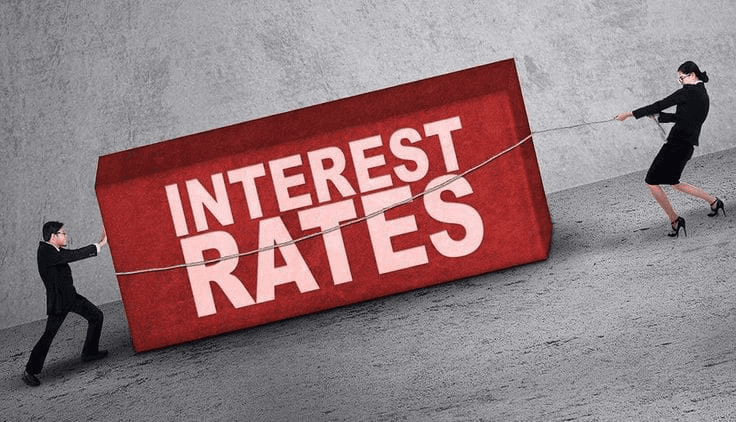
Interest rates in Kenya have been the subject of intense debate for more than two decades, dividing policymakers, economists, lenders, and consumers. While some argue that regulating lending rates protects borrowers from excessive charges and promotes financial inclusion, others maintain that interest rate controls distort the credit market, discourage lending, and ultimately reduce access to […]
By Peter Maina